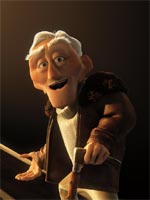
 No surprise that the first unmitigated critical slam for “Up” should come from the reliably cranky Armond White, who has made his disdain for Pixar’s output clear on a number of previous occasions. His review goes on to lay out his wider problem with “Pixarism” (good word, that), namely that the films are just too cute:
Pixar’s price sticker includes enough saccharine emotion to distract some viewers from being more demanding; they don’t mind the blatant narrative manipulation of a sad old man and lonely little boy. They buy animation to extend their childhood like men who buy cars for phallic symbols.
Pixarism defines the backward taste for animation. Refuting Chuck Jones’ insistence that he didn’t create his great Warner Bros. cartoon for children, Pixarism domesticates and homogenizes animation—as if to preserve family values. The only exceptions have been Brad Bird’s Pixar movies The Incredibles and Ratatouille—both sumptuously executed in Bird’s belief that animation should show “how things feel rather than are. Indulging in the human aspect of being alive.” Yet their conceptual weak point was cuteness—same as Up’s glossing over Carl’s “public menace” court conviction and that inconsistently imagined dog pack.
As someone who finds Pixar more of a hit-and-miss outfit than is generally perceived — and bearing in mind that I haven’t yet seen “Up” — I still don’t think that’s an entirely fair argument. (I do, however, agree that Bird is their most sophisticated storyteller.)
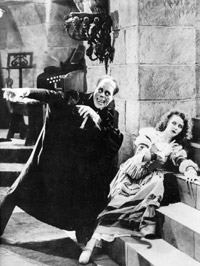 I love the current poll series about the most influential films of all time, but it got me thinking about the moments in movies that hooked me on cinema forever. You know, the ones we see as kids that have an enormous impact on us, forever bonding us to this art form we all so love?
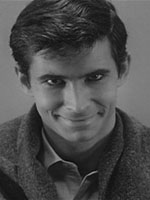 Alright, this was painstaking indeed. After The Times of London