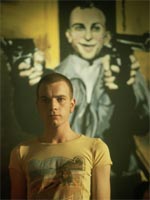
 The Observer has just assembled one of the more interesting lists I’ve seen in some time — a collective of the 25 best British films of the last quarter-century, compiled from the votes of over 60 critics, film professionals and assorted outside voices, ranging from Ben Kingsley to Peter Morgan to our friend Anne Thompson.
Looking down the list, there are remarkably few inclusions that I really take issue with, whether I’d necessarily put them on my own such list or not — the majority of titles here are films I admire that have a legitimate sphere of influence in modern British film history, and they’ve lucked into an intelligent balance between arthouse and populist titles.
“Trainspotting” is an obvious pick for number one, but sometimes obvious is fair. I don’t think it’s the greatest of the 25 titles listed here, but it’s an inarguably fine film that embodies the restless spirit of mid-1990s Britain from its whip-smart dialogue to its mega-selling soundtrack: its lightning-in-a-bottle blend of thrilling cinema and social document assures immortality.
(Further discussion, and The Observer’s Top 10 list, after the cut.)
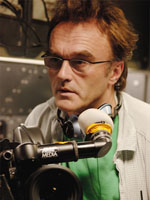 Filmmaker Danny Boyle is set to be feted this evening by the American Film Institute, but with just eight feature films under his belt, the dynamic director of such milestones as “Trainspotting,” “28 Days Later” and this year’s festival favorite “Slumdog Millionaire” is hardly due for a career retrospective. He’s still going strong, excited by each new project and willing to take his time on whatever strikes his fancy along the way. But as “Slumdog” begins to stand out as, perhaps, Boyle’s greatest cinematic accomplishment to date, the director shares with us what he’s learned along the way, film-by-film.