 I’ve lately been immersed in a marathon of DVD viewing and re-viewings, catching up on films that slipped through the cracks and reassessing former favorites — all in preparation for my own year-end “Best of the 2000s” list.
It’s a process that has resulted in some unexpected fringe challengers (“Longing,” an underexposed work of New German Cinema, won’t leave me alone), as well as some shifted perspectives (Nuri Bilge Ceylan’s “Distant,” which I adored on first viewing six years ago, burned a little less brightly second time around). Nat Rogers is currently doing similar homework at the Film Experience, on a year-by-year basis.
At this stage, I have only a faint idea of what my list will eventually look like, but I’m already fairly sure that it will have little in common with the Top 100 of the decade that has just been unveiled at The Telegraph. Compiled by the British paper’s three critics, including IC friend Tim Robey, it’s an interesting and occasionally perplexing list.
They state upfront that their aim is to represent the decade’s “pick ‘n mix” culture, though the headline promises the decade’s “Top 100 movie masterpieces.” “Mamma Mia!” and “Saw,” both in the top 20, may fit the former description, but “masterpieces” they ain’t. Then again, popularity or influence aren’t the principal criteria either, as the list includes such obscurities as “Los Angeles Plays Itself.”
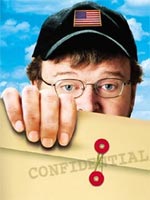
Whatever the system of selection, the result, you may or may not be thrilled to hear, is that Michael Moore’s “Fahrenheit 9/11” is the film of the 2000s.
(More, including the Telegraph’s Top 20 films, after the cut.)