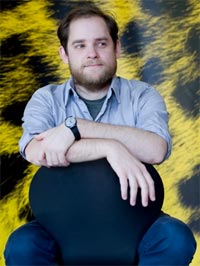
 When the director of a gentle indie character study—even one joshingly praised as “mumblecore with a plot” by certain critics—cheerfully tells you that his next project is more of a “werewolf buddy cop comedy,” you could be forgiven for expecting a thick veil of irony to cover the remark.
But Aaron Katz, it turns out, is as guileless and unfussy as the films he makes, describing his foray into genre play with a boyish excitement and sincere sense of movie-love. “There are a lot of big films that come out in the summer now, but not the kind that I really love,” he says, fairly late in our Sunday afternoon conversation. “In the 80s early 90s, we had films like ‘Die Hard’ or ‘Beverly Hills Cop’ – genuinely fun and weirdly classy and restrained compared to blockbusters today. So we’re trying to write the kind of entertainment that we’d want to see, but still, you know, very much us.”
That modestly stated “us” nods to a distinct stylistic trademark the 29 year-old Oregon native and his collaborators have established across three features in just five years: his 2006 debut, “Dance Party, USA,” and Spirit-nominated follow-up, “Quiet City,” both balanced the talky, lo-fi youth idling of much contemporary Amerindie cinema with an unusually crisp visual sensibility.
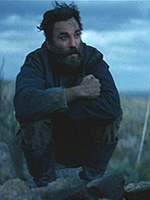 2007 was, to my mind, the greatest year for cinematography in a long, long time. I can’t recall the last time I was so thoroughly impressed with the visual artistry of film after film like I was last year, and I attribute that to the intriguing spark of creativity underway in the film medium as of late. Newcomers and veterans alike were putting awe-inspiring images on film, some of the seasoned pros besting their already exceptional portfolios.