 In 1996, a fall movie preview of Entertainment Weekly arrived in my mailbox, the cast of “The Crucible” staring back at me on the cover, making clear to me this was going to be THE film of the fall. There were rumors floating within the industry that the film, based on the Arthur Miller play, could conceivably be nominated for 12 or 13 Academy Awards, and it seemed a cinch for at least a Best Picture nod.
Having directed the play twice, studied it at length in university and being a huge Arthur Miller fan, I was thrilled that the film was finally going to get the intense big screen version it deserve. The 1959 French adaptation was okay, but not enough people had actually seen it. Here was a chance for one of the greatest dramas of the 20th century to make the transition to film with a superb cast, including Daniel Day-Lewis, Joan Allen, Paul Schofield and Winona Ryder.
Somewhere along the way Fox panicked and released the film late in December, and though Day-Lewis finished second in balloting for the New York Film Critics Awards, the picture never caught fire as it had been predicted to do. Instead it was a dismal box office failure, nabbing only a supporting actress nomination for Joan Allen and an adapted screenplay nod for Miller.
“The Crucible” is a great film, with powerhouse performances from Day-Lewis, Allen and Ryder, though many critics attacked the latter. But was the film a victim of over hype, or were audiences simply too familiar with the story? What happened?
The same sort of thing almost happened to Steven Spielberg’s “Munich,” which at this time in 2005 was being touted as not just an Oscar nominee, but the likely winner for Best Picture and Best Director, sight unseen. It opened and was very good, but it wasn’t the searing masterpiece everyone had been hoping for. And somehow “Crash” won the Best Picture prize.
(more…)
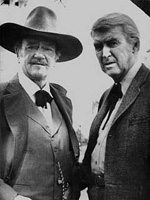
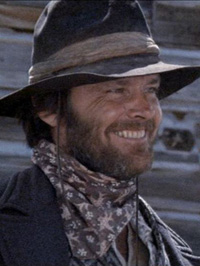 The western was not yet dead in 1976 when four high-profile installments were released to varying degrees of success. Four years later, of course, Michael Cimino’s “Heaven’s Gate” would kill the genre for several years (and United Artists for longer), and though it has seen ups and downs in the years since, for the most part, the western remains one of the least popular genres with studios.
 We all know that there are brilliant films that sometimes never find an audience, slipping out of theatres long before they should and often disappearing into the void of the home market.